Project · PROJECT 011 · LR-011-A
Townhouse Renovation in Chelsea
A whole-house renovation and careful restoration of a four-storey Georgian townhouse in a Chelsea conservation area, completed over 42 weeks.
During & Completed
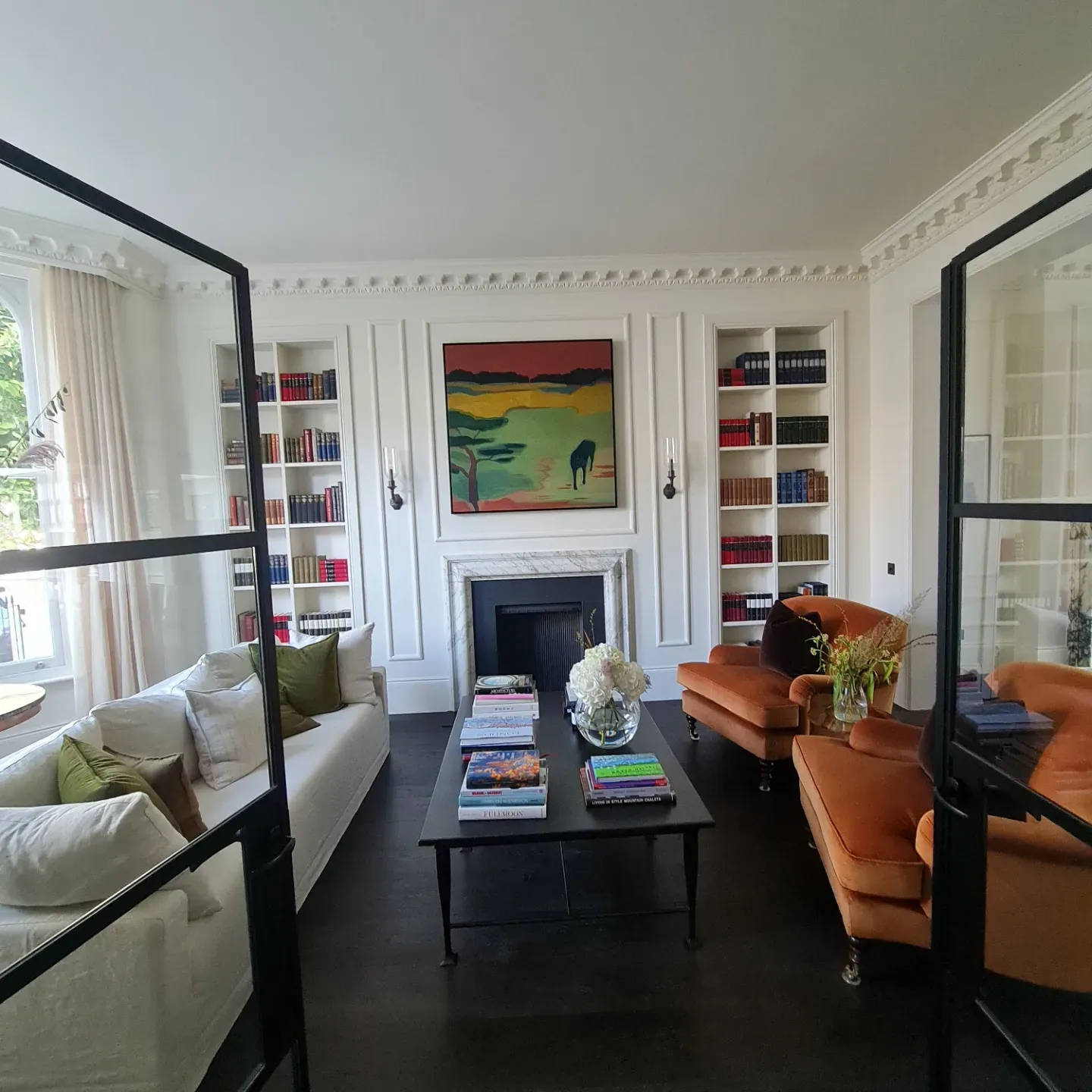
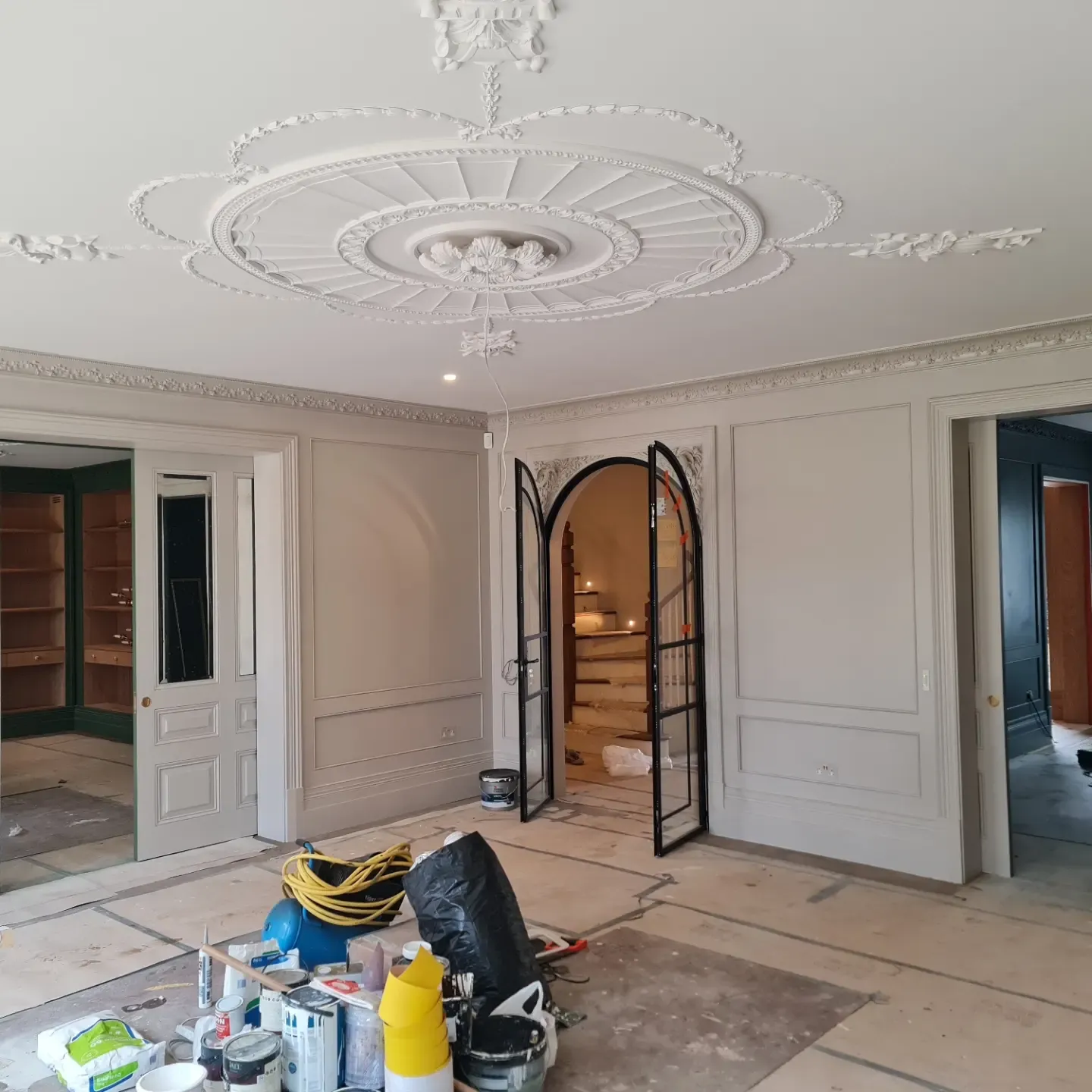
Illustrative case study, shown to demonstrate the project format. To be replaced with a genuine completed project before launch.
The brief
This four-storey Georgian townhouse, arranged as a single private dwelling, required a full renovation after a period of mixed residential and commercial use that had left the interior poorly subdivided and the services in poor order. The brief called for reinstatement of the original floor plan on the principal floors, complete renewal of mechanical and electrical installations, and discreet modernisation of the basement level to serve as a family room and utility area.
The property sits within a designated Chelsea conservation area, and the local planning authority’s requirements shaped the approach to external works throughout. Our experience with period property renovation and townhouse renovation projects in comparable locations informed the pre-contract programme from the outset.
Existing condition
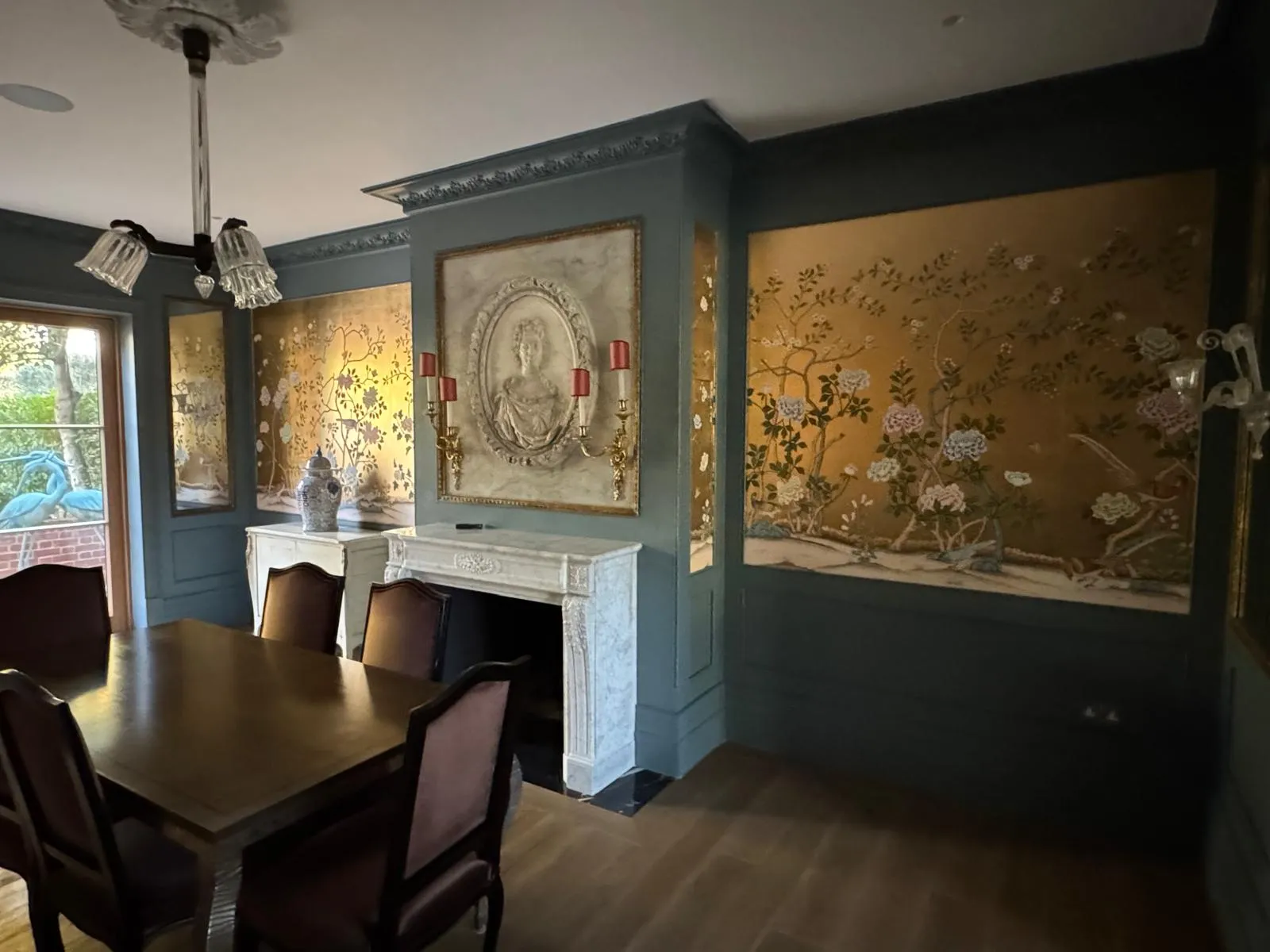
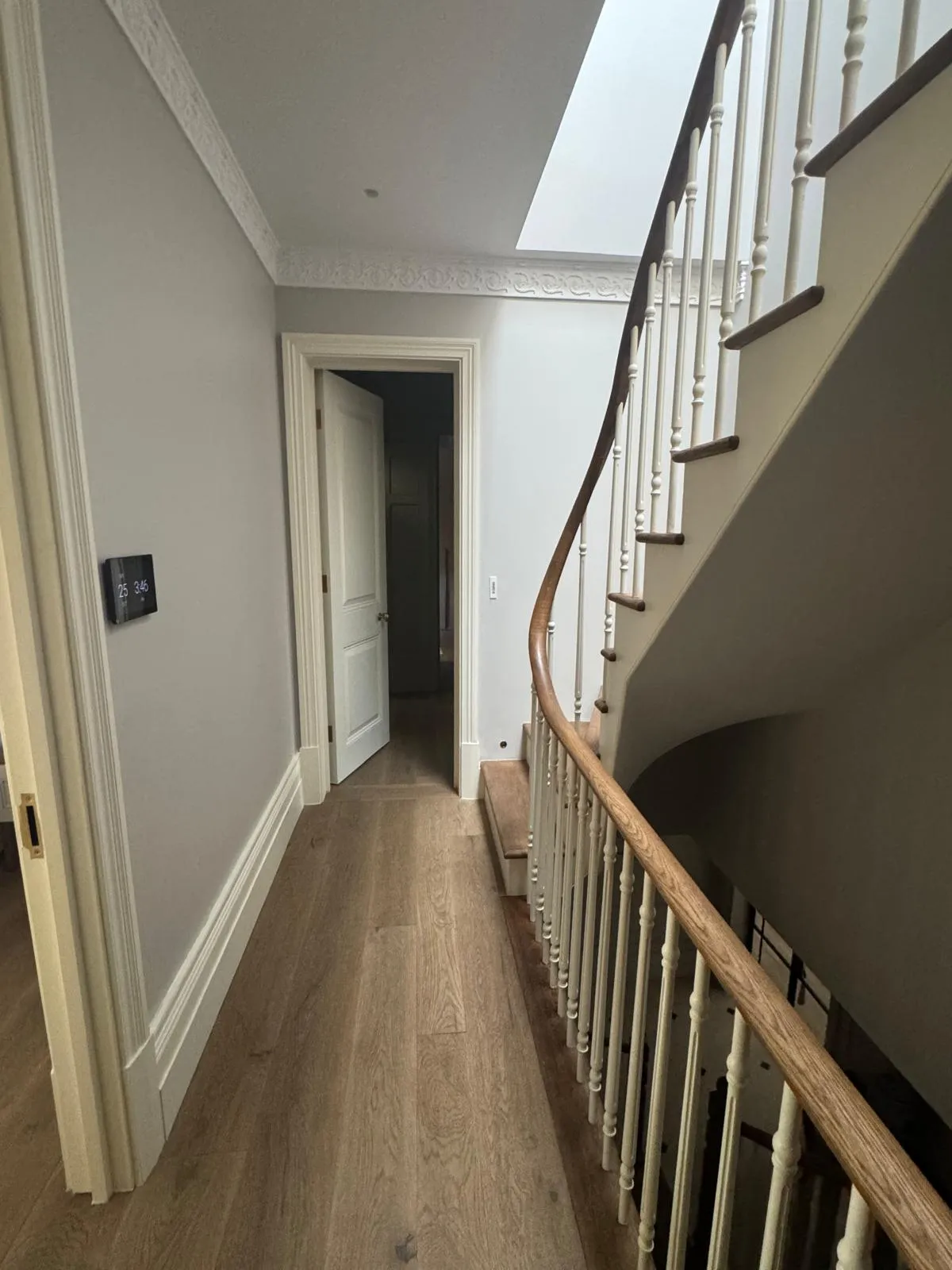
The house retained much of its original Georgian fabric: timber sash windows throughout, wide-plank pine floorboards at first-floor level, a principal staircase with turned balusters and a ramped handrail, and decorative plasterwork cornicing to the first- and second-floor reception rooms. Partition walls had been added at some point on the second floor, reducing two rooms to four smaller ones; these were not original and had no structural function.
The basement had been partially underpinned at an unknown date. Structural engineers engaged during the pre-contract period confirmed the existing underpinning was adequate, though the basement slab level required lowering by 150 mm to achieve the required ceiling height. Services throughout were a mixture of different eras and in no case met current standards.
Construction work
The programme was divided into four broad phases: strip-out and structural works; first and second fix mechanical and electrical; plasterwork and joinery; finishing.
The second-floor partitions were removed and the floor plate reinstated. In the basement, the existing slab was broken out, the ground lowered, and a new reinforced concrete slab cast with integrated drainage channels and a sump pump. A new condensing boiler and pressurised heating system were installed in the basement plantroom, with underfloor heating to basement and ground floor and radiators above. Mechanical ventilation with heat recovery was introduced throughout the upper floors, with grilles detailed to sit within the cornice line and remain unobtrusive.
On the principal floors, the decorative plasterwork was retained and repaired where damaged. Where cornicing sections had been lost, a specialist ran new lengths to match. Original pine floorboards were lifted, stored, and relaid, with new boards to match in sections where the floor had been disturbed. The principal staircase was stripped, missing balusters replaced from a softwood pattern matched to existing, and the assembly sanded and refinished.
Challenges
Conservation area conditions. Planning permission was required for the replacement of the rear sash windows, which had been fitted with uPVC casements. The replacement specification — traditional box-frame double-glazed sashes with slim sight lines — was agreed with the conservation officer prior to submission and approved without amendment.
Basement slab lowering. Working at or below the level of neighbouring foundations in a terrace of this age required a carefully sequenced programme. Temporary works were designed by the structural engineer and inspected at each stage. No settlement was recorded in monitoring pins fixed to the party walls.
Services co-ordination. Running new services through a four-storey Georgian house without creating visible routes required close co-ordination between the mechanical and electrical subcontractors and the plastering team. Service routes were agreed on drawing before any first-fix work began.
Programme length. A 42-week programme on a fully occupied street requires sustained attention to neighbour relations. Deliveries were scheduled to avoid school run hours, and a site welfare unit was positioned to minimise pavement obstruction.
Materials & craftsmanship
External joinery — the new rear sash windows and repaired front door surround — was manufactured in engineered hardwood and finished with a microporous paint system. Ironmongery throughout the house was in a brushed unlacquered brass, fitted with the expectation that it will acquire a natural patina over time.
Sanitaryware in the four bathrooms was selected for clean geometric profiles consistent with the house’s period. Tiling in the principal bathroom was a large-format honed Carrara marble on the walls and a smaller mosaic of the same stone on the floor, with a recessed niche formed in the shower enclosure to avoid surface-mounted fittings.
Kitchen joinery was bespoke, produced in painted MDF carcasses with solid-oak drawer boxes and fronts in a shaker profile. Stone worktops were cut from a single slab to minimise joint lines.
Result
The house reads as a coherent whole: the Georgian structure and detailing are intact, the services are modern and efficient, and the basement now functions as a comfortable lower ground floor rather than a neglected storage level. The full renovation process is described on the renovation process page.
To discuss a project of comparable scope, please contact us or browse the wider project portfolio.
Selected Detail
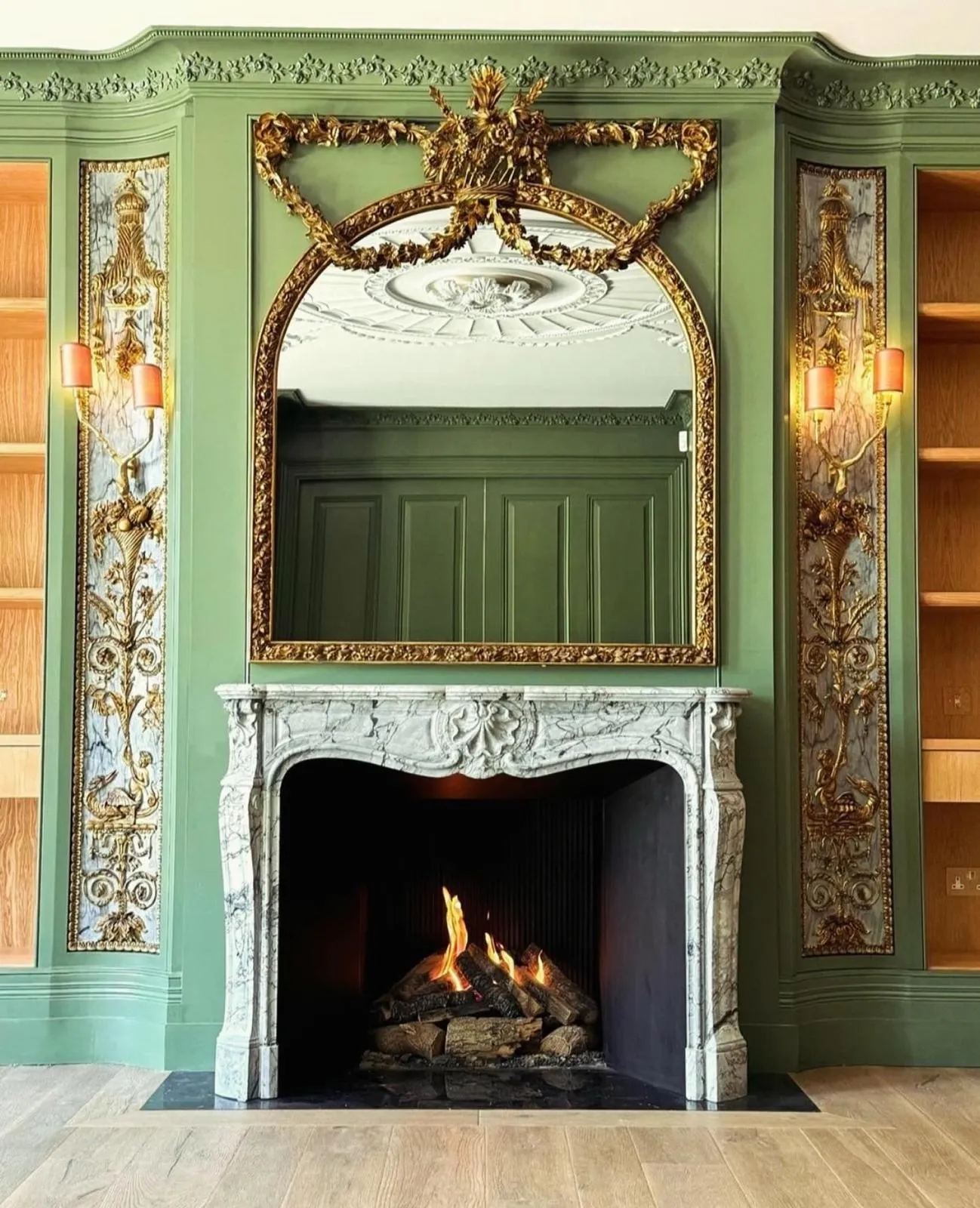
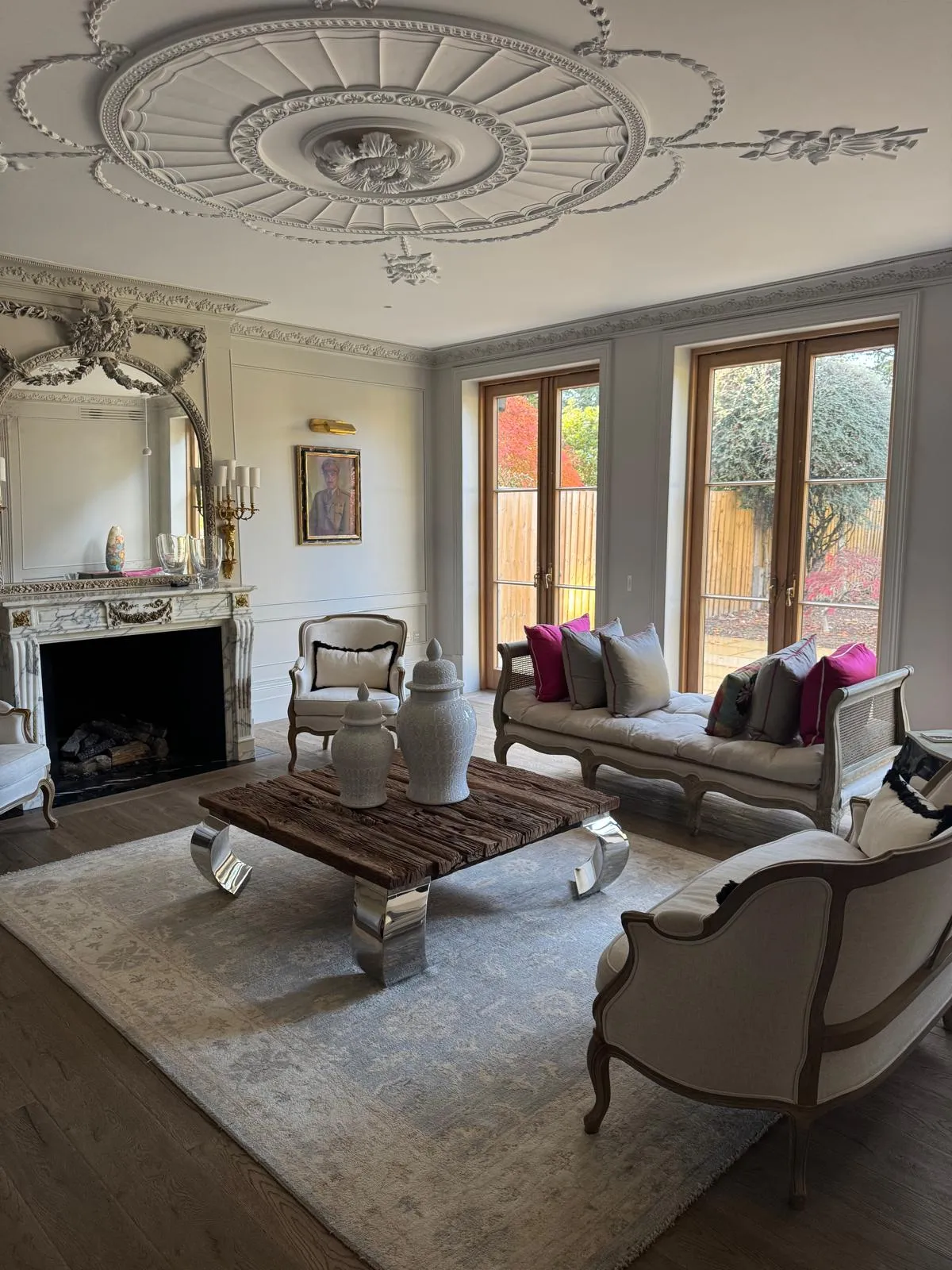
Initial Consultation
Planning works to your London property?
Tell us about the property, the proposed work and your preferred timescale. We will review the information and arrange an initial conversation where the project appears suitable.