Renovation
Full House Renovation in London
A full house renovation brings every element of a property — structure, services, finishes and decoration — under a single, coordinated programme.
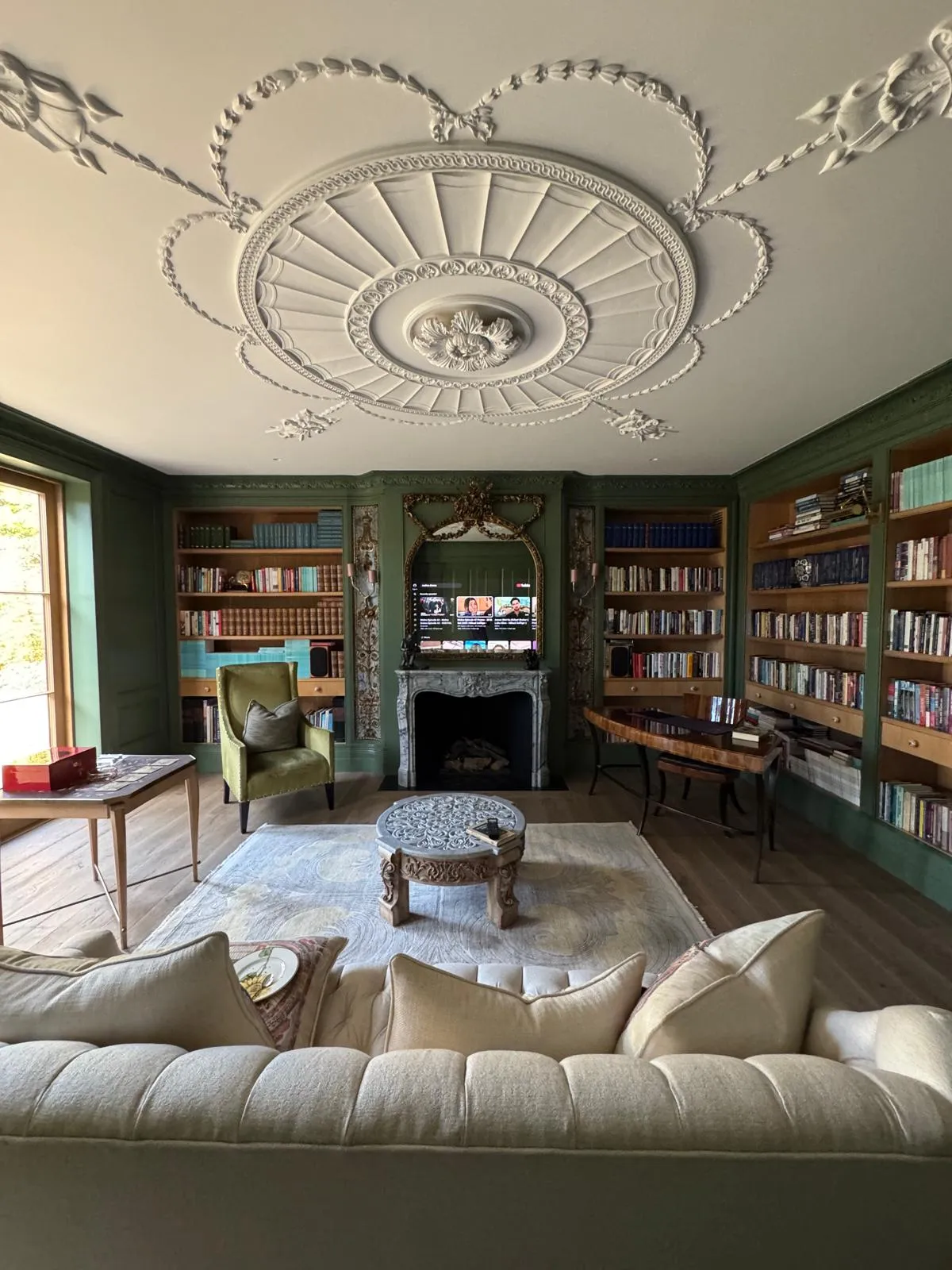
A full house renovation is the most substantial project a London homeowner can undertake. It encompasses everything from initial strip-out and structural alterations through to new services, plastering, joinery, kitchen and bathroom fit-out, and final decoration — all delivered as one managed programme rather than a sequence of disconnected trades. This kind of project suits properties that are being purchased in poor condition, have not been updated in many years, or where the owners want to address every system and finish in a single phase rather than living through repeated disruption.
The scale and complexity involved demand rigorous planning before work begins. Decisions made early — about layout, services routing, specification of materials — have a direct bearing on programme length, cost and the quality of what is built. Rushing that stage invariably creates problems downstream.
What this includes
- Full or selective strip-out, including removal of non-original partitions, ceilings, and floor finishes
- Structural alterations: wall removals, new openings, steel beam installation where required
- New or upgraded electrical installation, including consumer unit, wiring, and lighting circuits
- Plumbing and heating: pipework, radiators or underfloor heating, boiler or heat pump installation
- Mechanical ventilation and air quality where specified
- Insulation upgrades to walls, floors, and roof
- Plastering and screeding throughout
- Joinery: doors, skirtings, architraves, fitted storage, staircase repair or replacement
- Kitchen and bathroom fit-out (see kitchen renovation and bathroom renovation)
- Internal and external decoration
Common considerations
Vacant possession or phased occupation. Most full house renovations are most efficiently carried out with the property empty. Working around occupants significantly extends the programme and can complicate certain trades. Where phased occupation is necessary, this should be agreed at planning stage.
Services co-ordination. Electrical, plumbing, heating and ventilation works need to be sequenced carefully so that first-fix happens before walls are closed and second-fix follows at the appropriate stage. Poor co-ordination here is one of the most common causes of rework.
Listed buildings and conservation areas. Many London properties sit within conservation areas or carry listed status. Certain works will require planning consent or listed building consent, and some materials and methods may be restricted. Early engagement with the local planning authority is advisable.
Asbestos and hazardous materials. Properties built before 1999 may contain asbestos-containing materials in artex coatings, floor tiles, pipe insulation and elsewhere. A survey prior to strip-out is required, and any identified materials must be managed in accordance with current regulations.
Structural surveys. Where layout changes are intended, an independent structural engineer’s assessment should be obtained early. This informs the design, and engineer drawings are required for building control approval of any structural works.
How we approach it
We operate a managed construction process in which a dedicated project manager co-ordinates all trades, material procurement, and programme milestones from start to finish. This is not a labour-only arrangement: we take responsibility for the quality and sequencing of every element. Our renovation process sets out how we handle design co-ordination, site management, and handover.
On cost, a full house renovation in London covers a wide range depending on the size of the property, the extent of structural work, the specification of finishes, and existing site conditions. Our renovation costs guide explains the factors that influence budget and provides indicative ranges to help you plan.
Common questions
How long does a full house renovation typically take?
Programme length depends on the size of the property and the scope of works, but indicatively a full renovation of a mid-terrace house should be budgeted as a several-month undertaking. Properties requiring significant structural works, bespoke joinery, or specialist finishes will take longer. We provide a detailed programme at tender stage so expectations are set before work begins.
Do we need to move out for the duration?
In most cases, yes — at least during the heavier phases of work. Strip-out, structural works, first-fix services and plastering generate significant dust, noise and disruption, and it is both safer and more efficient to work on an empty property. Some clients choose to return for the final fit-out and decoration phases, which we can accommodate where the layout allows.
Can you manage the design as well as the build?
We work with architects and interior designers on client-appointed projects, and we can also help connect clients with suitable designers where a project does not yet have one. Our role on site is construction management; we do not offer architectural services ourselves, but close co-ordination between design and construction teams is central to how we work.
To discuss your project and arrange an initial consultation, please get in touch.
Initial Consultation
Planning works to your London property?
Tell us about the property, the proposed work and your preferred timescale. We will review the information and arrange an initial conversation where the project appears suitable.