Restoration
Victorian House Renovation in London
Victorian houses make up a large part of London's residential stock, and renovating them well means understanding both the conventions of their original construction and the particular defects that accumulate over 130-plus years.
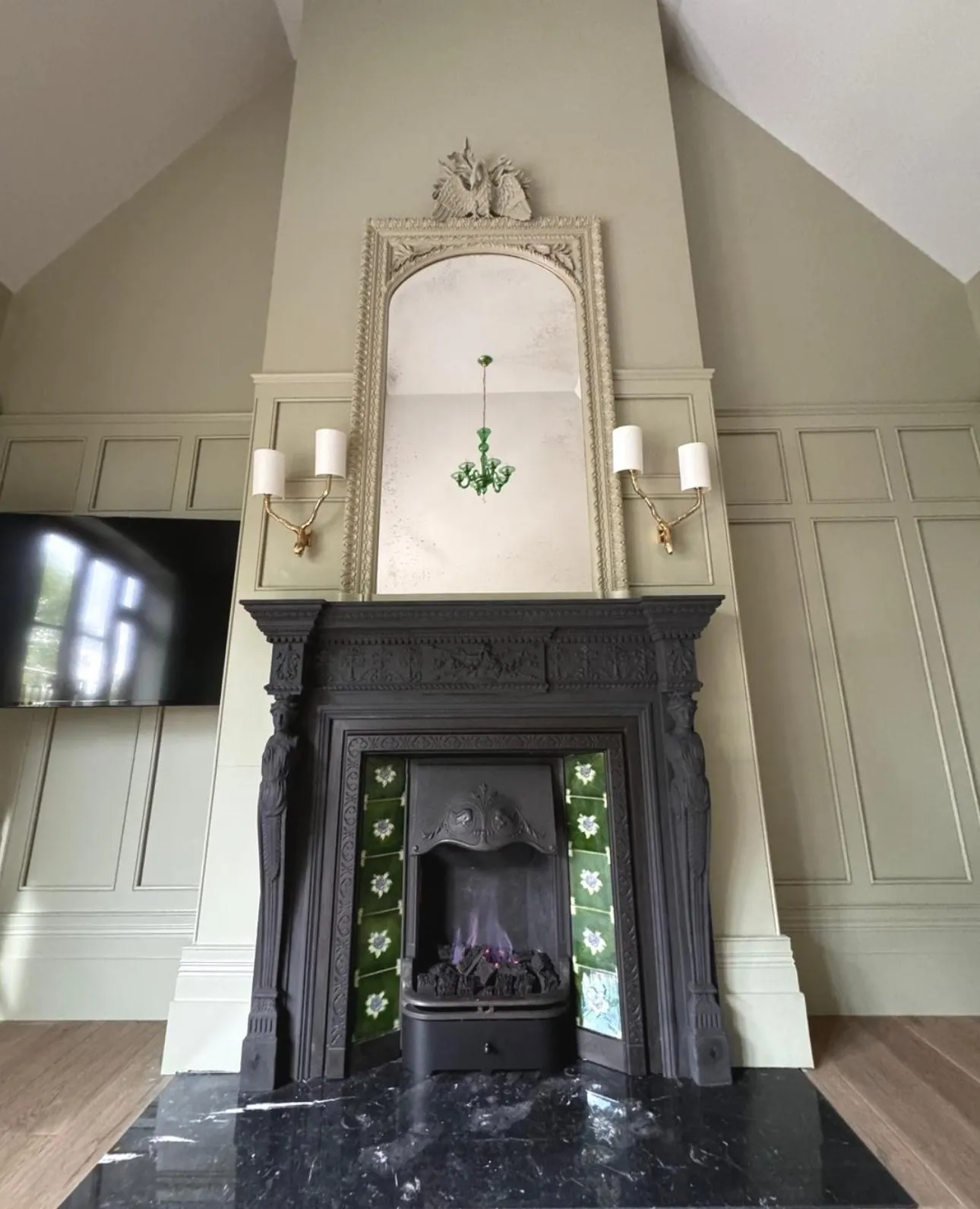
A Victorian house in London — whether a two-up two-down terrace in Hackney, a semi in Islington or a larger townhouse in Kensington — has recognisable DNA. Solid brick walls, timber suspended floors, high ceilings with plaster cornices and ceiling roses, chimney breasts in most rooms, sash windows, original floorboards and a characteristic plan with a rear return. These features define the character of the property and, when in good condition, contribute significantly to its value.
Renovation of a Victorian house is partly about repair and modernisation, and partly about judgment: knowing which elements are worth preserving, which can be sensitively upgraded, and which need to be replaced. Getting that balance wrong — stripping out original features that could have been repaired, or preserving fabric that is causing ongoing problems — creates regret and sometimes cost down the line.
What this includes
- Structural assessment and alteration: removing Victorian internal walls (typically brick or timber-stud), creating through-rooms, widening openings
- Steel beam installation and padstone works to support removed structures
- Damp investigation and remediation: rising damp, penetrating damp, condensation, failed renders and pointing
- Repair and draught-proofing of original sash windows; like-for-like replacement where beyond economic repair
- Reinstatement or repair of plaster cornices, ceiling roses, dado rails and picture rails using traditional lime methods
- Chimney breast works: retention and lining for use, or removal with correct structural support
- Original floorboard repair: lifting, re-spacer boarding, sanding and finishing
- Bespoke joinery to match original profiles: skirtings, architraves, panel doors, fitted alcove shelving and cupboards
- Full modernisation of electrical, plumbing and heating installations
- New bathroom and kitchen fit-out
- Internal and external redecoration
Common issues
Rising and penetrating damp. Victorian properties were not built with the damp-proofing systems expected today. Rising damp through solid brick walls, penetrating damp through failed pointing, and damp from blocked or broken sub-floor vents are all common. Before specifying remediation, it is important to identify the actual source — damp surveys often reveal that what appears to be rising damp is in fact a condensation or penetrating damp problem with a different solution.
Failed or inappropriate previous works. Many Victorian houses have been worked on repeatedly over the decades, not always well. Cement render over lime brickwork, impermeable mastics in sash window rebates, inappropriate insulation, and concealed structural alterations without proper support are commonly encountered. Assessing what has been done before — and what needs to be undone — is part of the pre-contract survey process.
Sash window condition. Original sash windows vary enormously in condition. Many can be brought back to excellent working order with sash cord renewal, glass putty, draught-proofing and redecoration. Where frames are rotten or beyond economic repair, like-for-like timber replacements are the appropriate choice in most conservation area properties. Secondary glazing is an alternative where planning restricts change.
Cornice and plasterwork. Run lime cornices and fibrous plaster ceiling roses can be repaired or replicated. Where sections are missing, the surviving profile is used as a template for new work. In some cases, all that remains is a ghost mark on the ceiling — in which case reference to equivalent properties or period records may be needed to establish what is appropriate.
How we approach it
Victorian house renovation requires tradespeople who understand the materials they are working with. Lime plaster, solid brick, original timber and traditional joinery details behave differently from their modern equivalents and need to be treated accordingly. We take the time at pre-contract stage to understand the condition of the building so that the scope of works is set correctly before we start.
Our renovation process covers how we manage works from initial survey through to handover. On the question of cost, Victorian house renovation spans a wide range depending on the size of the property, the extent of structural work, and the level of restoration or replication involved; the renovation costs guide provides context on what drives budget. You can also see the range of this kind of work on our projects page.
Common questions
Can we open up the ground floor to create an open-plan layout?
Yes — removing the Victorian partition wall between the front and back reception rooms is one of the most common structural alterations in these properties. It is a straightforward structural exercise: the wall is typically load-bearing, and a steel beam or RSJ will be required, sized by a structural engineer. Building control approval is required. The result is a single through-room that retains the period proportions while gaining light and connectivity. See our structural alterations service for further detail.
Should we keep or remove the chimney breasts?
This is a question of priorities. Chimney breasts in good condition add character and, if lined and fitted with a wood-burning stove, provide a functional fireplace. Removal creates additional usable floor area in each room — useful in smaller Victorian houses — but requires structural support above each removed breast, and the removal of the stack above roof level involves external scaffold and planning implications in some conservation areas. Neither course is inherently right; the decision depends on the house, the layout goals and the planning position.
Is it worth replacing the original floorboards?
Original Victorian floorboards are generally worth retaining where possible. Wide-plank pine boards in reasonable condition can be lifted, re-laid with new timber spacers to close gaps, sanded and finished to a high standard. The result is usually preferable both aesthetically and in terms of material quality to modern engineered alternatives. Where boards are badly damaged, short, or numerous, supplementing with reclaimed Victorian pine — matched for width, thickness and profile — is the appropriate approach.
To discuss your Victorian house and arrange an initial site visit, get in touch with us.
Initial Consultation
Planning works to your London property?
Tell us about the property, the proposed work and your preferred timescale. We will review the information and arrange an initial conversation where the project appears suitable.