Construction
Loft Conversions in London
A loft conversion is one of the most efficient ways to add a bedroom or dedicated workspace to a London home, making use of volume that already exists within the existing roof structure.
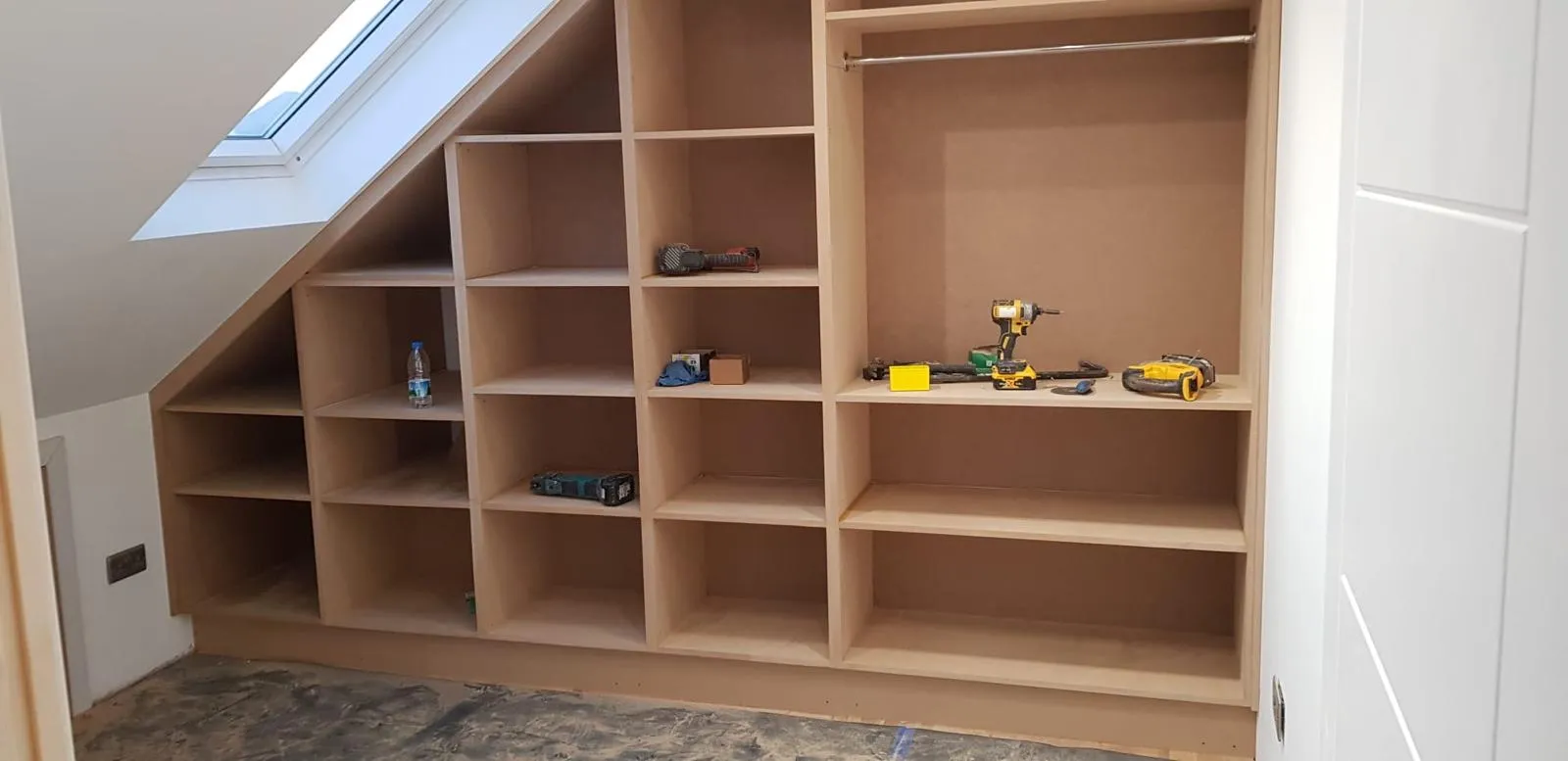
Most London houses were not built with usable loft space in mind. The volume is there, but converting it into a habitable room requires structural intervention, a new staircase, adequate headroom, fire-escape provision, and building control sign-off. Done properly, a loft conversion produces a room that is indistinguishable in quality from the rest of the house. Done poorly, it produces a space that is technically compliant but uncomfortable to use.
London Renovation manages loft conversions as a complete building project, not a shell-only contract. The structural works, stairs, insulation, services, plastering, and finishes are all coordinated through a single programme, with one point of responsibility throughout.
What this includes
- Survey of existing roof structure and assessment of head height, ridge level, and floor loadings
- Structural design and engineering for new floor joists, beams, and roof alterations
- Dormer construction — flat-roof, shed-roof, or pitched configurations
- Mansard alterations to front or rear roof slopes, including party wall management
- Rooflight conversions where head height and planning constraints make this the preferred route
- New staircase design and construction, including integration with the existing landing
- Fire doors, escape windows, and mains-wired smoke alarm circuits to building regulation requirements
- Insulation to walls, roof, and floor to current thermal standards
- Mechanical ventilation and, where required, ensuite bathroom installation
- Building control application, inspections, and completion certificate
- Internal finish to match the rest of the house
Common considerations
Head height. The critical measurement is the clear height from the existing ceiling joists to the underside of the ridge. Building regulations require a minimum ceiling height of 2.2 metres over at least half the floor area; in practice, comfortable use requires more. Properties with lower ridge heights may require a dormer or mansard approach rather than a simple rooflight conversion.
Structural loadings. Loft floors typically need new or reinforced joists to carry the loads of a habitable room. In some cases this also requires the introduction of steel beams to the floor below. The structural engineer’s report determines the extent of this work, and it should be commissioned before the project is costed.
Staircase position. A loft staircase requires floor area to land in. In houses with tight layouts, identifying a workable stair position without compromising the floor below is one of the earliest design problems to solve. There is rarely only one solution, but some are significantly better than others.
Planning and permitted development. Many loft conversions to the rear of a house fall within permitted development, but mansard conversions and any alterations to a front roof slope usually require planning consent. Properties in conservation areas face additional restrictions.
Fire compliance. Building regulations require that the escape route from the new room — typically the staircase and the existing landing — is protected. This usually means new fire doors to all habitable rooms on the floors below, and mains-wired smoke detectors throughout.
How we approach it
We begin with a measured survey of the existing loft and a preliminary assessment of head height, structure, and staircase options. This gives us enough information to advise on which conversion type is appropriate and what the project is likely to involve before any commitment is made.
The full process — from initial assessment through to building control sign-off — is described on our renovation process page. Indicative cost ranges for loft conversions are set out in our guide to renovation costs.
Where a loft conversion is part of a wider house renovation, we programme the works together so that trades are not duplicated and disruption is managed as a single event rather than separate phases.
Common questions
What is the difference between a dormer and a rooflight conversion?
A rooflight conversion installs glazed rooflights flush with the existing roof slope and makes no change to the roof profile. It is the least intrusive option and often the most straightforward to obtain permitted development approval for, but it only works where there is sufficient existing head height. A dormer extends the roof plane outward with a vertical-faced structure, creating additional floor area and standing height. A mansard replaces the rear (or front) roof slope with a near-vertical face, typically increasing usable volume further and providing a flush rear elevation above the parapet line.
Will a loft conversion require planning permission?
It depends on the conversion type and the property. Rear dormers and rooflight conversions frequently qualify as permitted development on houses, subject to volume limits and materials conditions. Front dormers, mansard conversions, and any work in conservation areas or on listed buildings will require planning consent. We assess the applicable route at the start of the project.
How much disruption does a loft conversion cause to the rest of the house?
The structural and roof works are the most disruptive phase — typically a period of several weeks when the roof is altered and the new floor structure is installed. Once the building is watertight, the remaining works are largely contained to the loft level and the staircase zone. Most households find it possible to remain in occupation throughout, though the period of roof works requires practical arrangements for weather protection and security.
To discuss a loft conversion project, including a feasibility review of your specific property, contact us.
Initial Consultation
Planning works to your London property?
Tell us about the property, the proposed work and your preferred timescale. We will review the information and arrange an initial conversation where the project appears suitable.