Restoration
Restoration & Period Features in London
London's residential stock spans three centuries of distinct architectural periods, and the features that define each — cornices, sash windows, fireplaces, and decorated façades — require a different approach from general building work when they need repair or reinstatement.
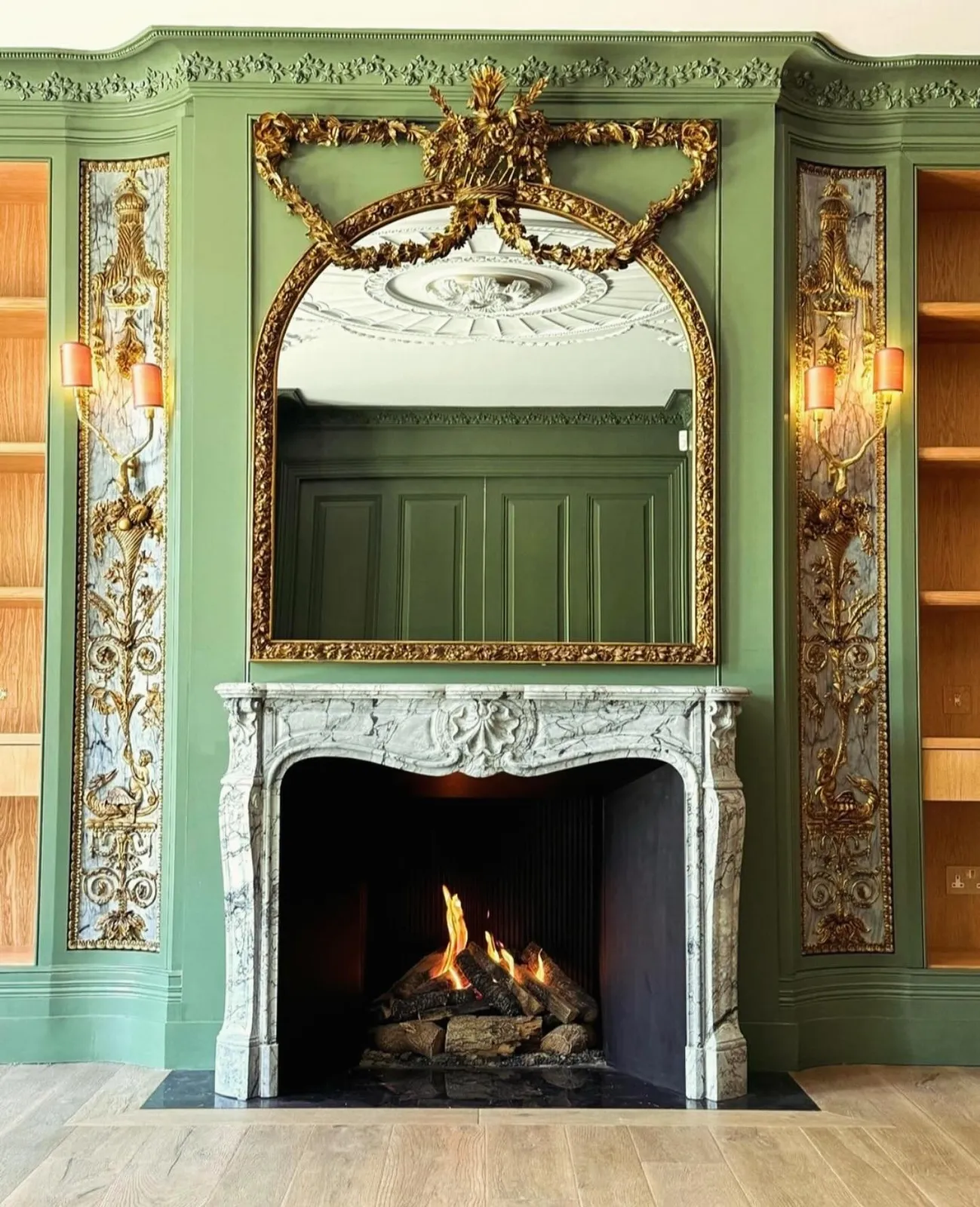
The original features of a London period property — whether Georgian, Victorian, or Edwardian — are frequently among its most valuable characteristics. They are also, in many properties, damaged, obscured, or in an incomplete state as a result of decades of alterations. Restoring them is not simply a question of aesthetic preference; it is often the difference between a property that reads as genuine and one that reads as an approximation.
London Renovation has experience working on period properties across London and manages restoration and reinstatement work as an integrated part of renovation projects. We work with specialist plasterers, joinery workshops, and conservation contractors who understand the materials and techniques appropriate to each period.
What this includes
- Plaster cornices and ceiling roses — repair of existing runs using lime or gypsum as appropriate; reinstatement of missing sections using profiles drawn from surviving originals; new runs cast to match existing where none survive
- Internal mouldings — architraves, skirtings, dado rails, and picture rails repaired, extended where rooms have been altered, or reinstated where they have been removed
- Sash windows — draught-proofing, weight cord replacement, and overhaul of existing boxes; repair of decayed timber sills, stiles, and rails; double-glazed sash replacement where planning permits and where the existing frame cannot be retained; reinstatement of original painted softwood sashes where uPVC replacements have been installed
- Fireplaces and chimney breasts — repair and reinstatement of original marble, stone, slate, or cast-iron surrounds; reinstatement of removed chimney breasts where this is structurally viable; hearth preparation and tiling; opening up of blocked flues and installation of new liner where the fireplace is to be used
- Historic façades — lime render repair and reinstatement; repointing in appropriate lime mortar; repair of stucco mouldings, pilasters, and cornices to front elevations; painting in oil-based systems appropriate to historic masonry
Common considerations
Like-for-like versus modern materials. The correct approach to period restoration depends on the original material and the degree of alteration already present. Lime plaster over solid masonry behaves differently from gypsum over lath; repairing it with gypsum products produces visible and structural incompatibilities. Similarly, repointing historic brickwork with cement mortar causes long-term damage to the brick faces. We advise on the appropriate material at survey stage.
Finding original profiles. Where mouldings or cornices are partially missing, the profile needs to be drawn from what survives and reproduced accurately. In a house where all internal mouldings have been stripped, we work from period references appropriate to the property’s date and type. The difference between a period-accurate profile and a general substitute is visible, and it matters.
Sash windows and planning. In conservation areas and on listed buildings, the replacement of original sash windows requires consent, and the specification of any replacement is usually controlled. Where original sashes can be repaired and draught-proofed, this is generally the preferred approach on heritage grounds, on performance grounds, and on grounds of cost.
Chimney flues. A fireplace that has been blocked for decades may have a flue in an unknown condition. Before any fireplace is opened up for use — whether with an open fire, a wood-burning stove, or a gas appliance — the flue needs to be swept and inspected, and a liner installed if required. This is a condition of insurance, not merely good practice.
Integration with wider renovation works. Restoration work is most effective and most cost-efficient when it is programmed as part of a wider renovation, rather than attempted room by room after other works are complete. Cornices need to be repaired before redecoration; windows need to be overhauled before internal plastering if they are to be properly sealed; fireplaces need to be established before flooring is laid.
How we approach it
We begin with a thorough survey of the existing features — what survives, what has been lost, what has been altered, and what the property’s original character can be deduced from — and we discuss priorities and budget against the overall renovation scope.
For properties with significant original fabric, we work within a programme that protects existing features during the construction phase and allows adequate time for specialist trades, whose work cannot be rushed. The full project approach is set out on our renovation process page. Our renovation costs guide gives context for what restoration work typically costs relative to the wider renovation.
Our period property renovation service covers the broader approach to renovating properties of architectural or historic significance.
Common questions
Can original plaster cornices be repaired rather than replaced?
In most cases, yes. Existing cornice runs that are sound but have short sections of damage or loss can be repaired in situ using a running mould made to the original profile. The repair, when properly executed and decorated, is not distinguishable from the original. Full replacement is only necessary where the existing plasterwork is so extensively damaged or detached that repair is not viable.
What should I do about sash windows that have been replaced with uPVC?
If the original boxes survive behind or beneath the uPVC frames, reinstatement of timber sashes is often possible. Where the boxes have been removed and the opening restructured, new sash boxes can be installed to the original configuration. In conservation areas, local authorities frequently require that uPVC replacements are reversed when properties are renovated, so this is a consideration that should be raised with the planning authority at the outset.
How do I know if my fireplace surround is original?
In a London terrace or townhouse, an original surround will typically be in a material and style consistent with the period of the house — cast iron with tiled cheeks and a simple mantelshelf for a late Victorian property, for instance, or a marble or stone surround with a more formal profile for a Georgian or early Victorian house. Surrounds that appear incongruous with the period of the room, or that are in materials that did not come into common use until after the house was built, are likely later additions or replacements. We assess this at survey stage and advise on reinstatement options where the original has been lost.
To discuss the restoration of period features in your property, including a preliminary assessment of what survives and what can be reinstated, contact our team.
Initial Consultation
Planning works to your London property?
Tell us about the property, the proposed work and your preferred timescale. We will review the information and arrange an initial conversation where the project appears suitable.