Renovation
Flat Renovation in London
Flat renovation in London involves a layer of considerations that do not apply to freehold houses — lease obligations, freeholder or managing agent consents, shared services and acoustic separation between floors.
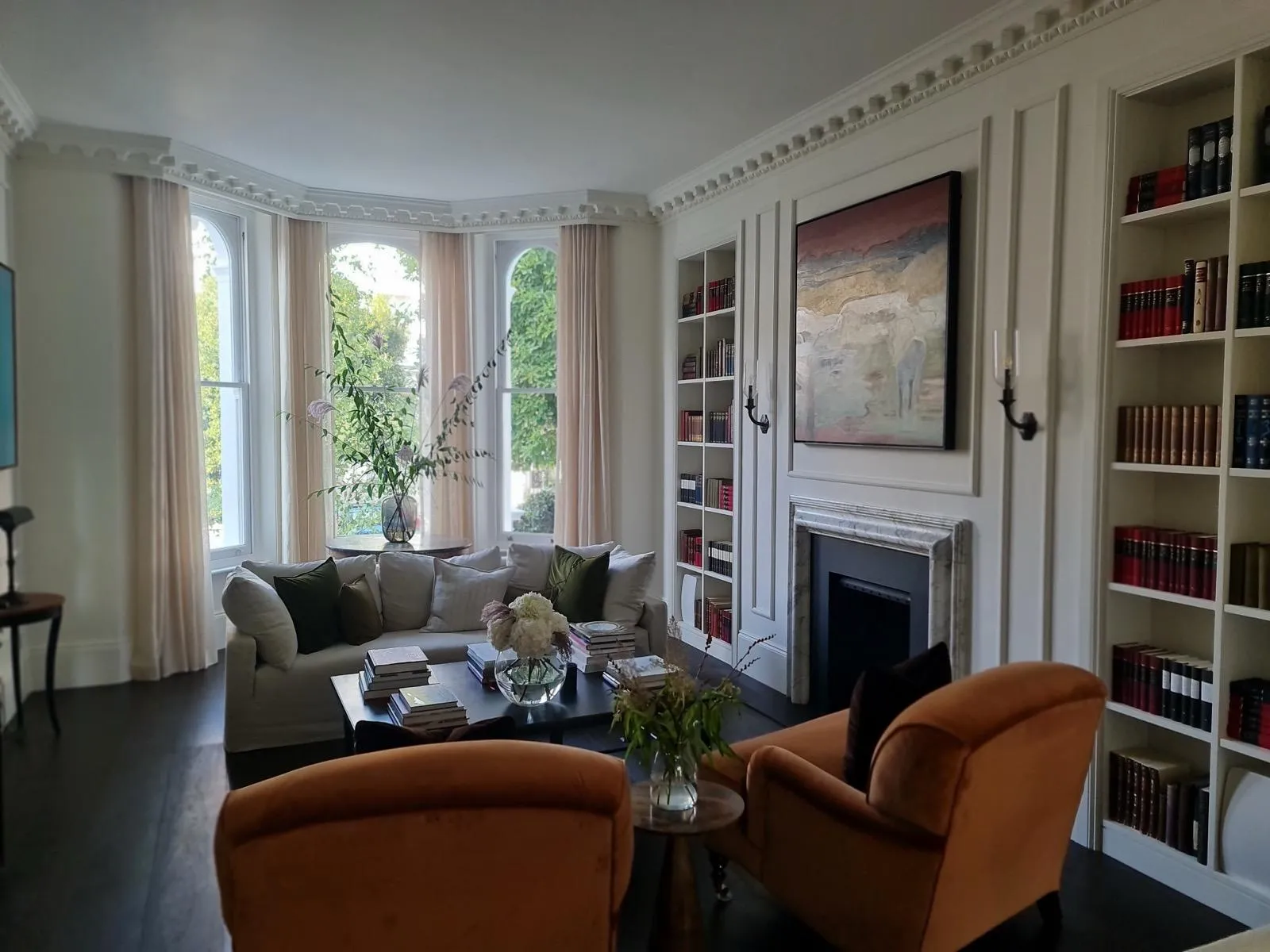
The majority of London flats are leasehold properties held within a building managed by a freeholder or residents’ management company. Before any significant renovation work can begin, it is necessary to understand what the lease permits, what consents are required, and what conditions may be imposed on how work is carried out. Getting this wrong — proceeding without consent, or failing to comply with lease conditions — can create legal and financial complications that outlast the renovation itself.
Beyond the legal framework, flat renovation involves practical constraints that differ from house renovation: access via shared hallways and stairs, working hours restrictions in buildings with residential neighbours, acoustic sensitivity, and shared services infrastructure that cannot always be altered independently of the wider building.
What this includes
- Full or selective strip-out within the demise
- Layout reconfiguration: relocating or removing non-structural internal partitions
- Kitchen and bathroom renovation, including full plumbing and electrical first and second fix
- Floor treatments: new screed, engineered timber, stone or tile, including acoustic underlays where required
- Ceiling works: plasterboard replacement, acoustic ceiling systems, feature plasterwork
- Electrical installation: new consumer unit, circuits, lighting design
- Heating and plumbing: new or upgraded radiator circuit, hot water system, or connection to building-wide systems
- Bespoke joinery: fitted wardrobes, alcove storage, media units, study areas
- Internal decoration throughout
- Sash or casement window repair within the flat’s demise (where lease permits)
Common considerations
Lease and freeholder consent. Most residential leases require leaseholder consent — from the freeholder or management company — before structural or service alterations are made. Leases may also restrict working hours, prohibit certain floor finishes (hard floors over ground floor in particular), and require that contractors carry appropriate insurances. Reading the lease and obtaining the necessary licences to alter is an essential first step, not an afterthought.
Acoustic separation. In a flatted building, sound transmission between floors is governed both by building regulations (for material changes of use) and often by lease conditions. Replacing carpet with hard flooring in an upper-floor flat can significantly increase impact noise to the flat below. Appropriate acoustic underlay or floating floor systems can mitigate this, but the specification should be considered carefully and, in some cases, agreed with the freeholder.
Shared services. Water supply, drainage and gas in a flatted building are shared systems. Alterations to pipework — particularly to drainage — may affect other flats and require the freeholder’s approval and possibly a building surveyor’s involvement. Electrical supply through the building’s shared infrastructure similarly needs to be understood before a new consumer unit is specified.
Access and working hours. Renovation work in a shared building affects residents and neighbours in ways that a freehold house renovation does not. Deliveries of materials, removal of waste, and heavy or noisy operations all pass through shared areas. Working hours may be restricted by the freeholder or by the terms of the licence to alter. We factor these constraints into the programme and the cost plan at the outset.
Management company requirements. Some managing agents impose specific conditions on contractors: insurance levels, named site managers, site tidiness obligations, deposits against damage to common parts. These are reasonable and we are accustomed to meeting them; the requirements need to be established before work starts so that they can be built into the contract.
How we approach it
We review the relevant lease provisions and freeholder or management company requirements at pre-contract stage, and we factor consent timescales into the programme. Consent applications can take weeks or months in some cases, and a programme that does not account for this will slip. Our renovation process outlines how we handle this alongside the practical management of the project on site.
On costs, flat renovation in London covers a wide range depending on the size of the flat, the extent of the works, and the specification of finishes. The renovation costs guide provides a framework for budgeting. Where works are more extensive, it is worth exploring whether they connect to other services such as bathroom renovation or kitchen renovation.
Common questions
Do I need freeholder consent to renovate my flat?
Almost certainly, yes — for any works beyond straightforward decoration. Most residential leases in London require a licence to alter for structural changes, alterations to services, changes to floor finishes and electrical installation upgrades. The process for obtaining consent varies: some freeholders deal with requests directly; others require applications through a managing agent and may instruct their own surveyor at the leaseholder’s cost. We recommend obtaining and reading the lease before any design work is commissioned.
How is noise managed in a flat renovation?
Noisy works — breaking up concrete screed, drilling, angle-grinding — generate significant impact and airborne noise. In a flatted building this is an unavoidable part of renovation, but it can be managed through agreed working hours, advance notice to neighbours, and scheduling of the noisiest operations. Freeholders or managing agents often specify permitted hours; where they do not, reasonable practice is to restrict heavy operations to core weekday hours. We notify affected neighbours in advance and manage our site accordingly.
Can I extend or alter the layout of my flat significantly?
Structural alterations within a flat’s demise — removing non-load-bearing partitions, for example — are generally feasible and are not unusual. Anything that touches the structure of the building (shared walls, intermediate floors, building envelope) will require freeholder consent and possibly a structural engineer’s assessment. In some purpose-built flatted buildings, the intermediate floor structure is part of the building’s structure rather than the demise, which limits what can be altered without the freeholder’s involvement.
To discuss your flat renovation and what the process involves for your specific property, contact us.
Initial Consultation
Planning works to your London property?
Tell us about the property, the proposed work and your preferred timescale. We will review the information and arrange an initial conversation where the project appears suitable.