Restoration
Period Property Renovation in London
Period property renovation in London requires equal respect for original construction methods and materials as it does for contemporary standards of comfort, performance and building regulations compliance.
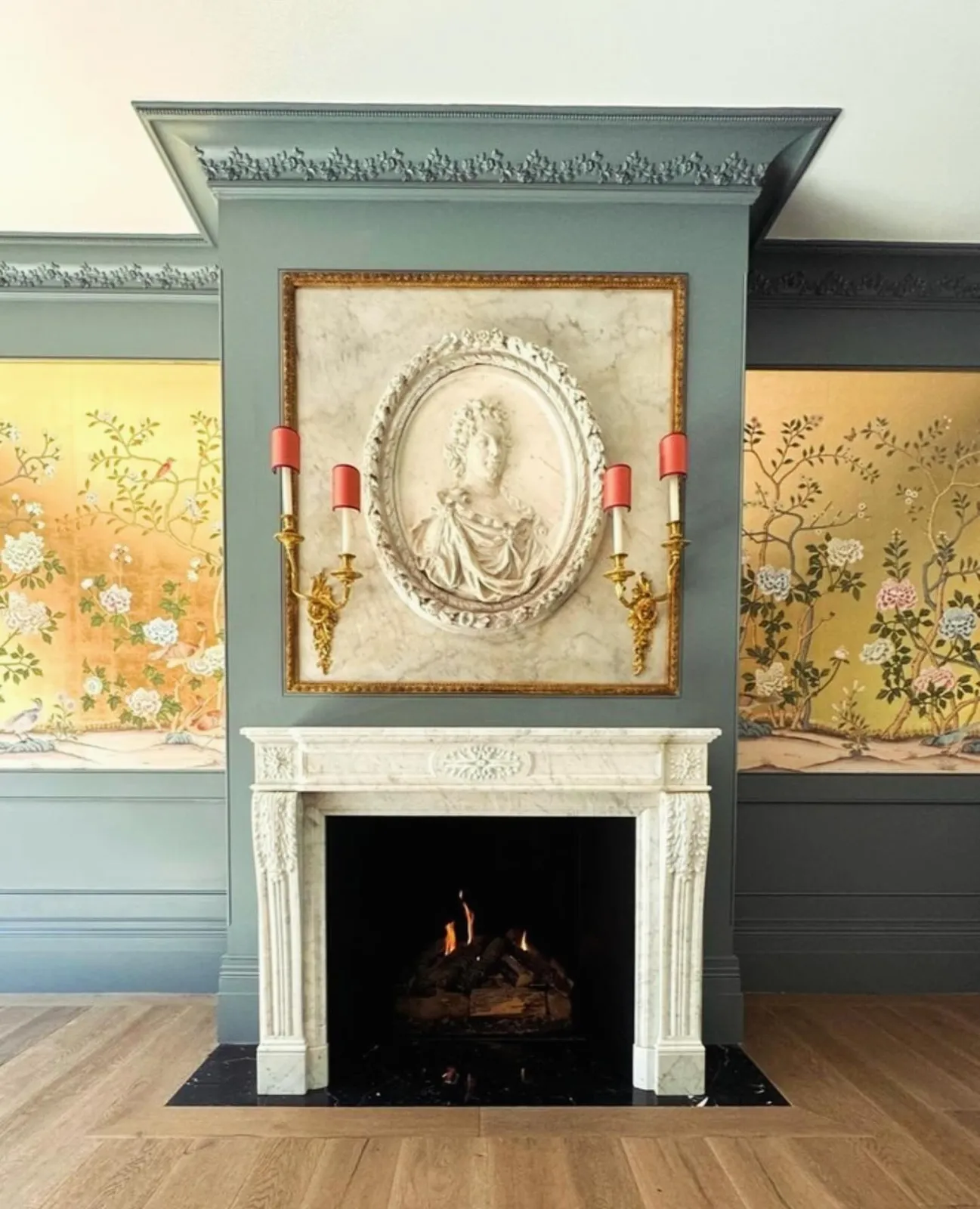
London’s housing stock is dominated by period properties — Georgian terraces, Victorian semis, Edwardian villas — and renovating them well calls for a particular combination of skills. The construction methods, materials and detailing of these buildings differ fundamentally from modern construction, and approaches that work in a new-build context will frequently cause problems when applied to solid-wall masonry or lime-based structures.
Good period property renovation means understanding what is original, what has been altered, and what the building actually needs to perform well for the next several decades — without erasing the character that makes it valuable in the first place.
What this includes
- Structural assessment and repair: lintels, joists, chimney stacks, party walls
- Damp diagnosis and appropriate remediation, including lime render and drainage works
- Retention, repair or careful replacement of original features: cornices, ceiling roses, dado rails, picture rails, shutters and panelling
- Sash window repair and draught-proofing, or sympathetic replacement where beyond repair
- Chimney breast retention or removal with correct structural support
- Restoration of original floorboards: lifting, re-spacing, sanding and finishing
- Joinery repair and replication: architraves, skirtings, doors and ironmongery to match original profiles
- Sensitive insulation strategies that do not trap moisture in solid walls
- Modernisation of electrical, plumbing and heating systems to current standards
- Internal and external decoration appropriate to the age and style of the property
Common considerations
Conservation areas and listed buildings. A significant proportion of London’s period properties sit within designated conservation areas, and some carry listed building status. Permitted development rights are reduced in conservation areas and near-absent for listed buildings. Works to external appearance, windows, rooflines, and some internal features may require consent from the local planning authority. We advise establishing the planning position before design work progresses.
Breathability and moisture. Solid-wall Victorian and Georgian properties are built to breathe — moisture enters and leaves through the fabric of the building. Sealing them with modern impermeable renders, membranes or insulation boards can cause moisture to be trapped, leading to accelerated decay of timber, masonry and plaster. Lime-based materials and breathable insulation systems are generally the appropriate choice.
Like-for-like repair versus replacement. Where original features are damaged or missing, the choice between repair, replication and modern substitution deserves careful thought. Matching original lime plaster profiles, timber species and moulding patterns is more complex and more costly than standard alternatives, but the visual and material difference over time is considerable.
Party wall matters. Many period properties share walls, foundations or roof structures with neighbours. Works affecting party walls — including structural alterations, underpinning and certain damp works — are governed by the Party Wall etc. Act 1996, and proper notices must be served before work commences.
How we approach it
We treat period properties as buildings with their own logic. Before work begins, we carry out a thorough assessment of the existing fabric — identifying original features to be retained, materials in need of repair, and areas where modern upgrades are both feasible and appropriate. This informs a scope of work that does not default to strip-out where repair is the right answer.
Our renovation process covers how we manage programme, co-ordination with conservation officers and structural engineers, and client communication throughout. On costs, period property work tends to carry a premium over standard renovation due to the skill and time required for sensitive work; our renovation costs guide explains what drives budget in these projects.
Common questions
Do I need planning permission to renovate a period property?
Not all works require consent. Internal works — replastering, rewiring, kitchen and bathroom updates — generally do not. However, changes to external appearance, windows, rooflines and extensions in conservation areas typically require planning permission. Listed building consent is required for any works that affect the character of a listed structure, whether internal or external. We recommend establishing the planning position before designs are finalised.
Can original features be replicated if they are missing or damaged?
Yes, in most cases. Plaster mouldings, timber skirtings, architraves and door profiles can be replicated to match surviving originals using traditional methods. We work with specialist joiners and plaster subcontractors where profiles require custom matching. Where nothing original survives, period pattern books and archive records can be referenced to identify what is appropriate for the age and style of the property.
How do you approach insulation in a solid-wall property?
Solid walls cannot be insulated in the same way as modern cavity-wall construction. Internal wall insulation using breathable boards or renders is possible, though it reduces floor area slightly and must be detailed carefully around reveals and junctions. External wall insulation affects appearance and is rarely appropriate in conservation areas. The right approach depends on the property’s construction, its planning status, and the owner’s priorities — and should always be assessed by someone with experience of period fabric.
To discuss your period property and arrange a consultation, contact us.
Initial Consultation
Planning works to your London property?
Tell us about the property, the proposed work and your preferred timescale. We will review the information and arrange an initial conversation where the project appears suitable.