Project · PROJECT 014 · LR-014-A
Victorian House Renovation in Hampstead
A careful internal remodelling and single-storey rear extension to a Victorian mid-terrace, returning the house to sound structural order while improving the layout throughout.
During & Completed
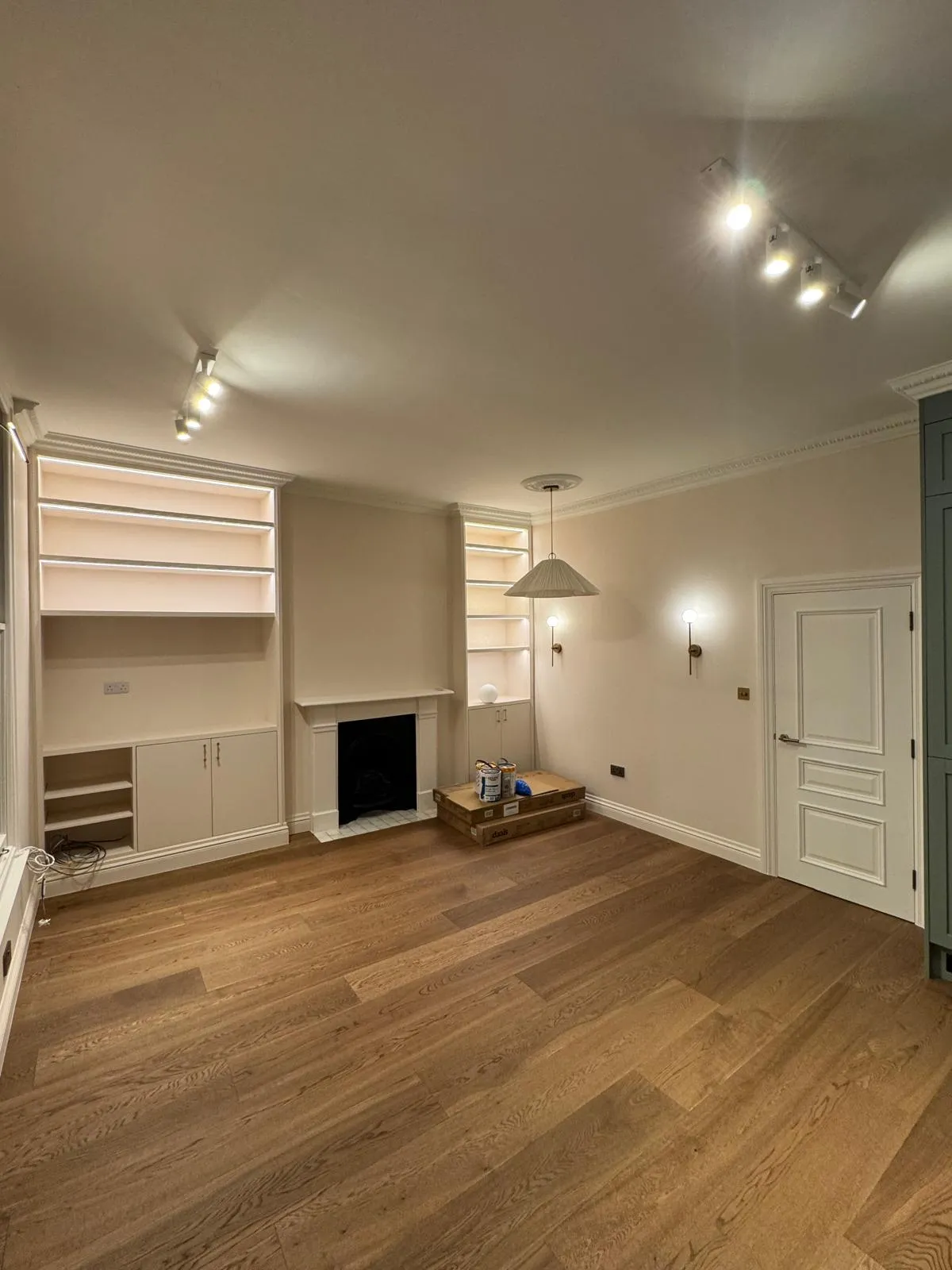
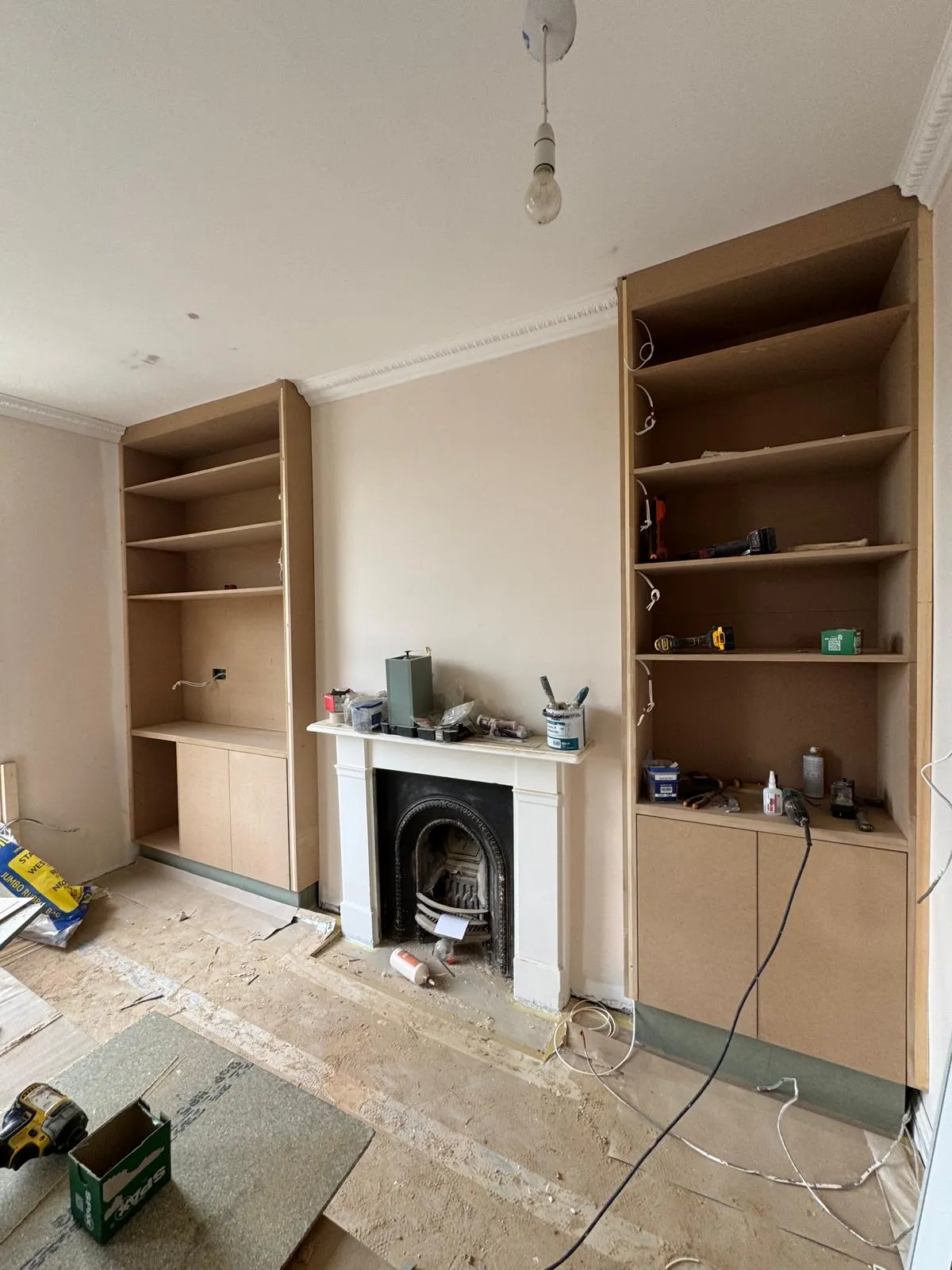
Illustrative case study, shown to demonstrate the project format. To be replaced with a genuine completed project before launch.
The brief
The property is a three-bedroom Victorian mid-terrace of approximately 115 square metres arranged over three floors. The owner required a full internal renovation — new services throughout, a reconfigured ground floor, and a modest single-storey rear extension to enlarge the kitchen and improve the connection to the garden. Planning consent for the extension had already been secured when the project was appointed.
The scope also included repointing of the front elevation, replacement of the timber sash windows on the upper floors, and general repair to the original Victorian cornicing and ceiling roses that remained in the principal rooms. The brief was clear: improve liveability without erasing the character of the house.
Further detail on how we approach projects of this type is set out on the Victorian house renovation and home extensions pages.
Existing condition
The house had been occupied continuously for several decades and retained much of its original fabric — original floorboards, decorative plasterwork, and panelled doors on the upper floors. However, services were outdated: single-pipe heating, no mechanical ventilation, and aluminium replacement windows installed in the 1980s that had by now deteriorated.
A pre-contract structural survey identified movement to the rear outrigger wall consistent with inadequate lateral restraint at first-floor joist level. A separate damp assessment recorded rising damp at the base of the front-elevation wall, requiring remedial work to the subfloor void ventilation and the internal finish at low level.
Construction work
Work began with the structural repairs: new joist hangers and lateral restraint straps to the rear outrigger, localised underpinning to the extension footprint, and a new steel beam to carry the rear wall above the new opening.
Ground floor: the existing lean-to was demolished, the extension built to the approved drawings, and the kitchen repositioned to occupy the full rear footprint. A new concrete slab with underfloor heating was laid throughout the extended area. Upstairs, the layout was unchanged; rooms were stripped back to brick and replastered using a sand-cement undercoat with a bonding and finish coat to match existing sections.
The heating system was replaced in its entirety: a new condensing boiler, pressurised system, and radiators sized room by room. First and second-floor sash windows were repaired, re-corded, and fitted with draught seals rather than replaced — a considered decision that preserved the original proportions and reduced embodied material.
Challenges
Rear access. The terrace backs on to a private rear access lane shared with neighbouring properties. Material deliveries and skip placement required a short-notice booking system agreed with the immediate neighbours. No delays resulted.
Structural condition. The joist restraint deficiency discovered at survey was addressed before the main build programme began. Temporary propping allowed the rear outrigger to remain stable during the period between strip-out and the installation of permanent steelwork.
Victorian drainage. Rodding confirmed that the original Victorian combined drain under the rear yard was partially collapsed. A 4-metre section was excavated and re-laid in vitrified clay before the extension slab was cast.
Party-wall matters. Notices were served under the Party Wall etc. Act 1996. Both adjoining owners appointed the same surveyor, and an agreed award was in place within the statutory period.
Materials & craftsmanship
Brickwork to the extension was in a handmade brick selected to read as a compatible addition rather than a replica of the original London stock. The mortar mix was lime-rich, consistent with the approach used for the repointing to the front elevation.
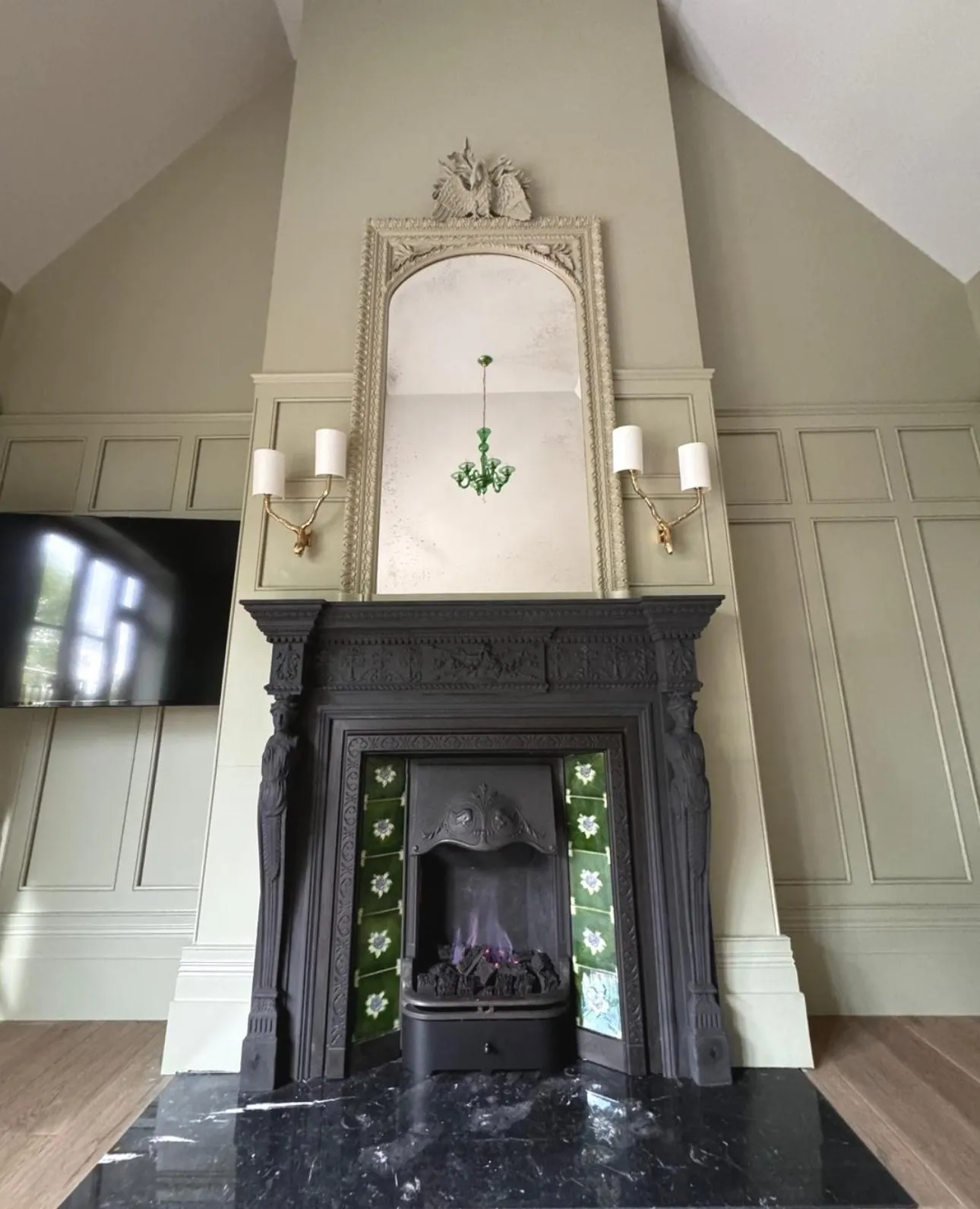
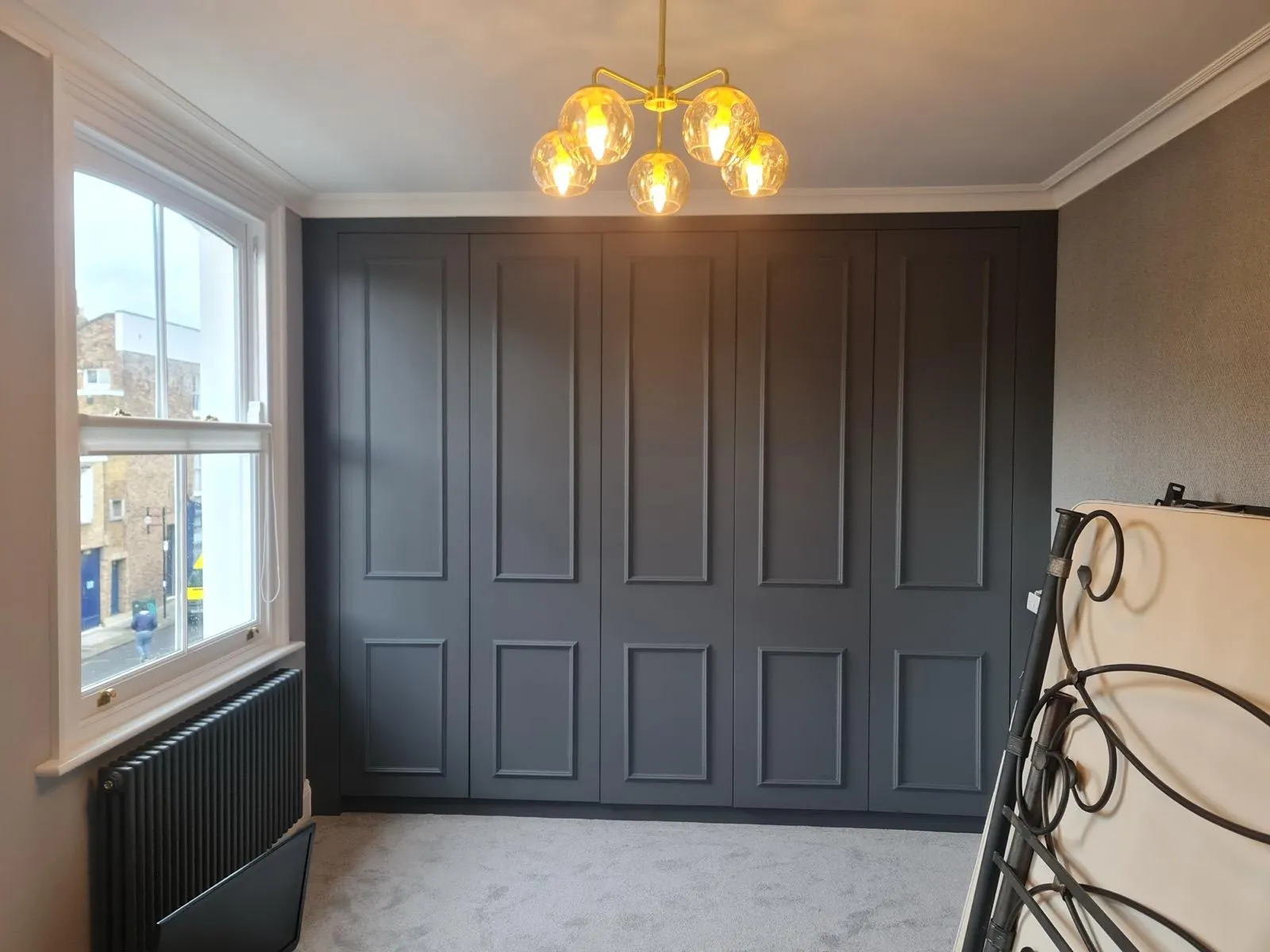
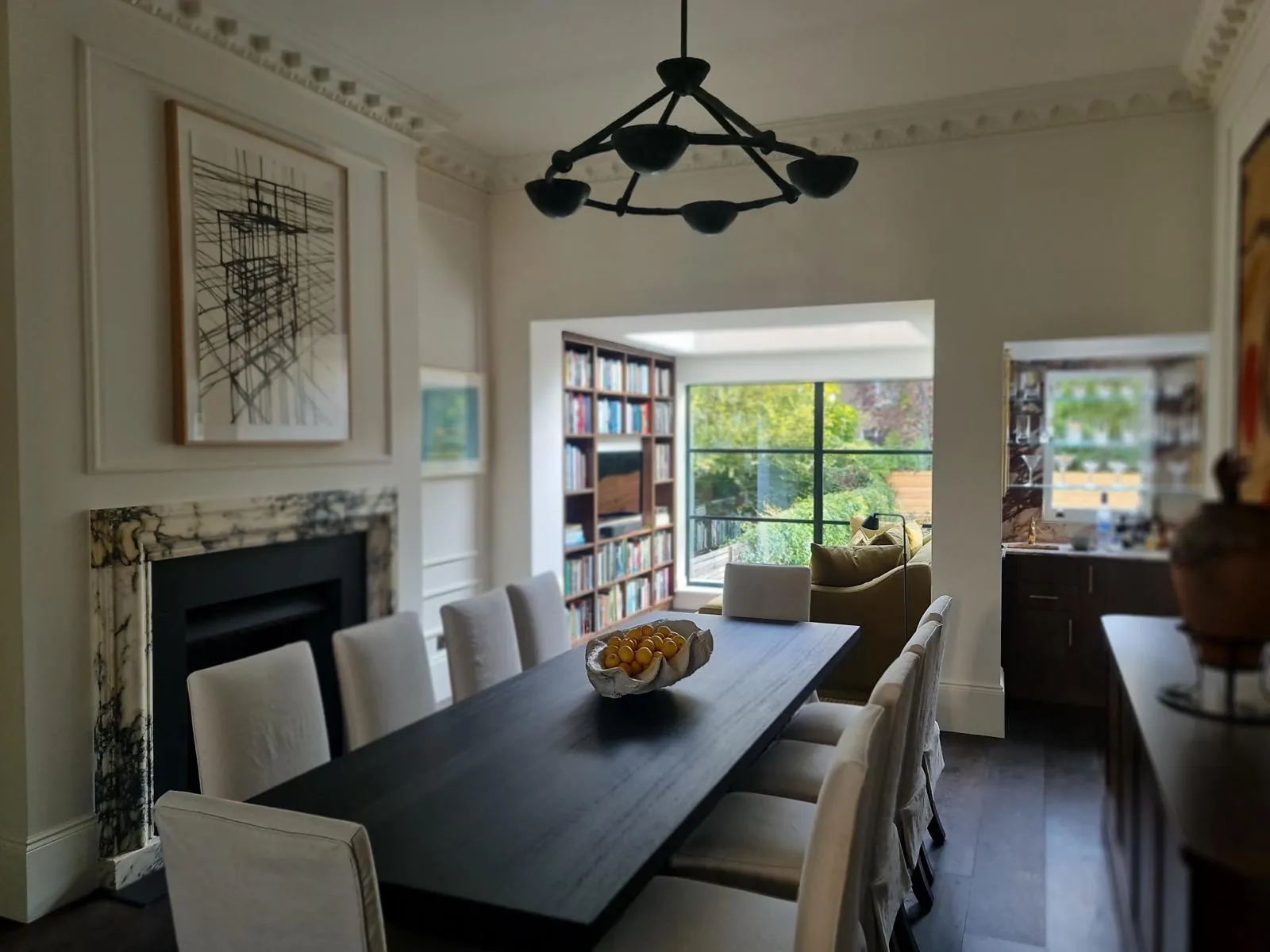
Internal joinery — skirting, architraves, and a new staircase balustrade section on the ground-to-first landing — was produced in softwood to period profiles, primed in the workshop and finished on site with two coats of oil-based eggshell. The original cornicing in the sitting room was repaired by a specialist plasterer working from the existing run as a template.
Result
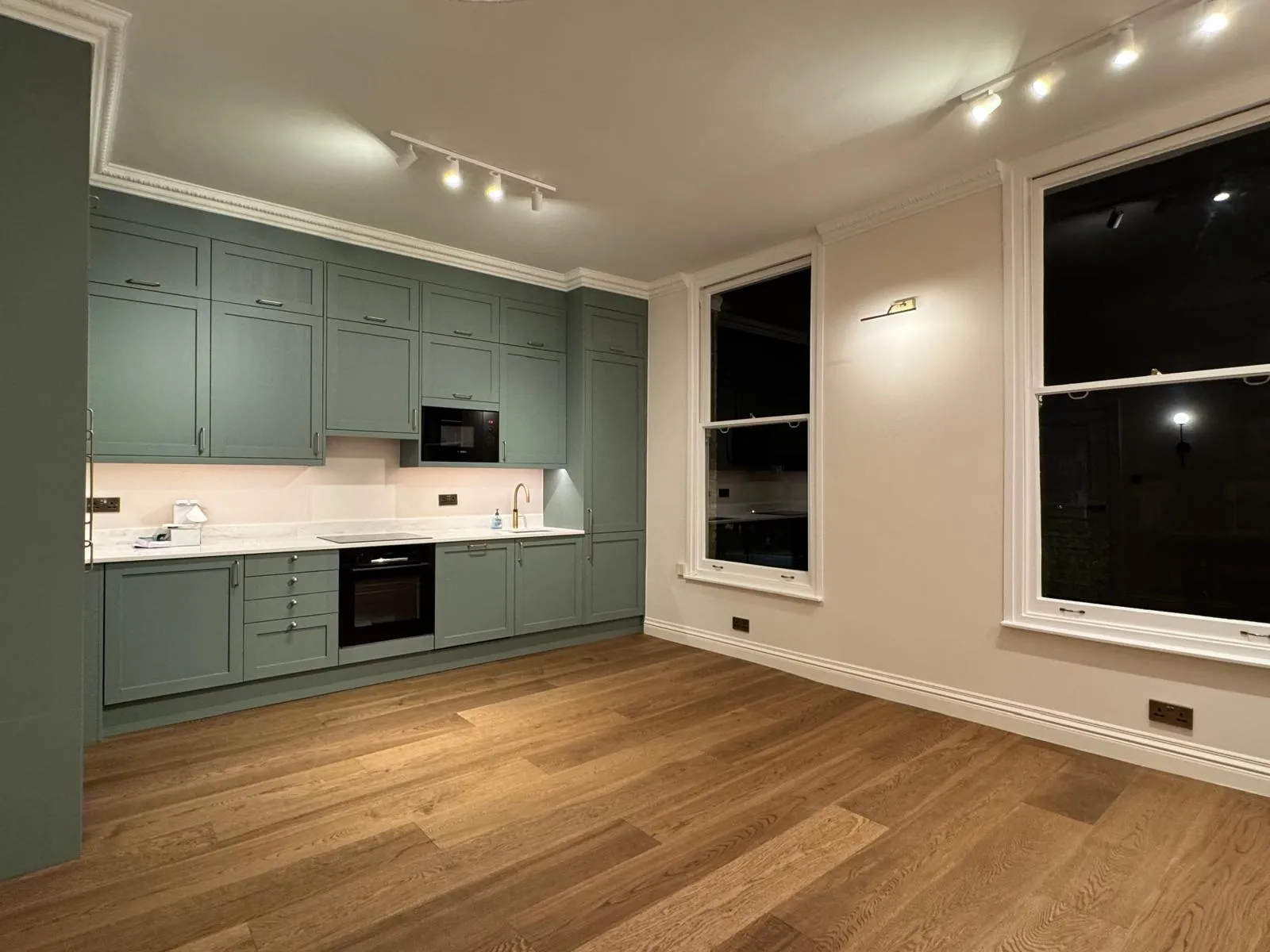
The house is now a well-functioning family home. Services are new, the rear extension provides a usable kitchen-dining space, and the original Victorian features on the upper floors are intact and in sound condition. The programme completed on schedule.
A full account of how we price and programme work of this scale is available on the renovation costs and renovation process pages. To discuss a similar project, please contact us.
Selected Detail
Initial Consultation
Planning works to your London property?
Tell us about the property, the proposed work and your preferred timescale. We will review the information and arrange an initial conversation where the project appears suitable.